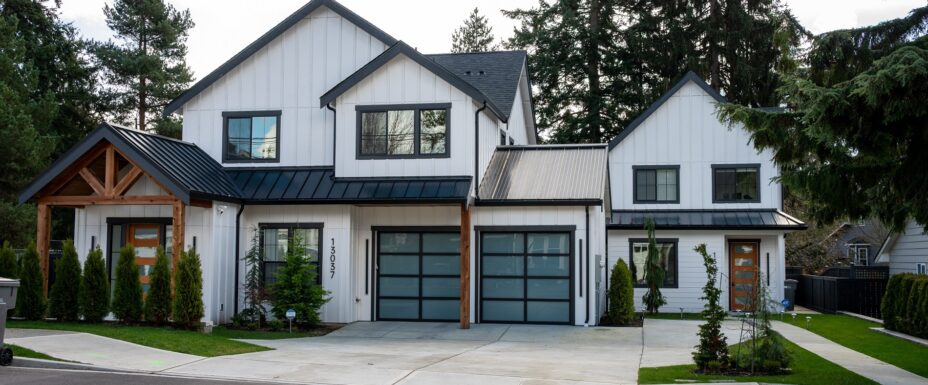


How Much Does It Cost to Add a Second Story? Is It Worth It?
Reviewed by: Brandon Brown
If you’re running out of room but love your location, you’ve probably wondered: How much does it cost to add a second story? Adding a second story to your home can double your living space without sacrificing yard space, but the cost to add a second level is significant, and the decision isn’t just about square footage. This guide breaks down the cost to add a second story, what drives second story addition costs, and when adding a full second story may not make financial sense—especially in competitive markets like Los Angeles, Orange County, or San Diego.
How Much Does It Cost to Add a Second Story?
The average cost to add a second story to a home typically ranges from $150,000–$350,000+, though the total home addition price can climb higher depending on structure and location.
Quick cost snapshot
- Typical range – $150K–$350K+ for a full second-story addition.
- Cost per sq. ft. – ~$200–$400 (can exceed $300+/sq. ft. in parts of Southern California).
- Partial additions – lower total cost but still involve many of the same structural expenses.
So, much does it cost in practical terms? The cost per square foot often falls between $200 and $400, but that price varies widely depending on market prices and the type of addition. A partial second-story addition could cost less, while adding a full second-story addition across the entire existing home significantly increases total cost. Second story addition costs depend heavily on the existing structure. If the existing foundation can’t support the new floor addition, you may need to reinforce it. That alone affects the cost dramatically. When homeowners ask, “much does it cost to add a second story to your house?” the honest answer is: it depends. The comprehensive cost includes structural work, permits, contractor labor, finishes, and inevitable surprises.
Typical Cost Breakdown
When planning a second floor addition project, it helps to understand where the money goes. A new addition involves structural work, finishes, and permits, all of which affect total home costs. Here’s a simplified look at typical costs:
- Structural reinforcement & foundation work – This is often the biggest expense. If engineers determine the existing foundation needs upgrades, the cost of materials and labor increases quickly. From there, framing, roofing, electrical, plumbing, and interior finishes all contribute to second-story addition costs.
- Framing, roofing, and exterior construction – Constructing a second floor requires removing the existing roof and rebuilding it.
- Electrical, plumbing, and HVAC extensions – A second story addition requires extending systems upward.
- Interior finishes and permits – Flooring, drywall, paint, insulation, and every required permit all add to the addition cost.
Building a second-story addition isn’t a simple remodel. It’s closer to constructing a second floor on top of your home during construction, while you may still need to stay in your home. Local regulations and building codes also influence the cost. Permit approvals, inspections, and zoning restrictions vary across different states, and each can impact the construction timeline and price.

What Drives Second Story Addition Prices?
Several cost factors influence the final price, and understanding them helps homeowners discover how much their own project may cost. Factors such as the size, layout, and complexity of the home addition all play a role.
Top cost drivers
- Home size & layout — more square footage = higher total cost; awkward layouts add complexity.
- Structural needs — adding a second story may require new beams, footings, or foundation work.
- Local labor & material costs — Southern California pricing, for instance, often runs above national averages.
- Permits, engineering & zoning — plan for permit fees, structural engineering, and possible plan revisions.
- Design complexity & finishes — luxe finishes, custom millwork, or complicated rooflines raise costs.
Other important influences
- Contractor quality & availability — reputable general contractors cost more but reduce risk.
- Square footage and scope — full addition vs. partial addition changes per-sq. ft. math.
- Unexpected site issues — asbestos, termite damage, or outdated wiring add delay and cost.
- Timing & market cycle — material price swings and labor demand can push up quotes quickly.
How to keep costs under control
If you’re considering adding a second story, a little planning goes a long way. Start with a structural assessment so you know whether your existing foundation can support the addition. That alone can prevent expensive surprises later. It’s also wise to get multiple bids from experienced general contractors and compare detailed estimates side by side. Be intentional with finishes, invest in structure and safety first, and stay practical with cosmetic upgrades. Finally, factor in permit fees, engineering costs, and timelines when weighing the total investment against other options, like moving or selling as-is.
Does Adding a Second Floor Increase Home Value?
Adding square footage almost always increases home value, but not always enough to justify the project cost. A second floor addition can improve layout, add new space, and increase buyer appeal. Building a second story may allow for additional bedrooms or a home office, making the home more functional. However, ROI depends on neighborhood price ceilings. If your home ranges near the top of local values already, the cost of adding a second may exceed what the home is worth after construction. The total cost of adding a second story must be compared to realistic resale value. A contractor can estimate building costs, but predicting market appreciation is less certain. In short: building a second story to your home can add value, but it doesn’t guarantee profit.
When a Second Story May Not Be Worth the Cost
A second-story addition may not make sense when construction cost exceeds potential resale value. If financing is tight, the renovation may strain your budget. Delays are also common. Permits, inspections, and contractor scheduling can extend timelines for months. Living through a major home renovation while building a second story can be disruptive. If you need flexibility or plan to move soon, adding a second story to your home may not be the simplest option.
A Faster Alternative: Sell As-Is for Cash
Instead of investing heavily in building an addition, some homeowners choose a different path. Selling as-is eliminates renovation costs, contractor uncertainty, and permit delays. There’s no need to calculate the cost of your addition or worry about whether the second story to your house will deliver ROI. For homeowners in Los Angeles, Orange County, or San Diego, this option offers speed and predictability.
How FlipSplit Helps Homeowners Move Forward Quickly
Adding a second story can create more space, but second-story addition costs don’t fit every situation. If the average cost or timeline doesn’t align with your goals, there may be a simpler option. FlipSplit provides fast, fair cash offers based on your home’s current market value. There’s no need to hire a general contractor, apply for a permit, or manage the construction of a second-story addition. We buy homes as-is, so you can move forward without the renovation stress, delays, or unexpected addition cost increases. And if your property has upside potential, our profit-split model allows you to share in the future value, without taking on the cost of adding a second story yourself. It’s a transparent, flexible option for homeowners deciding between building a second-floor addition and selling with certainty.

Reviewed by: Brandon Brown
As a long-time Asset Manager, Investor, Real Estate Agent, and Broker/Owner of BayBrook Realty in Orange County, Brandon Brown is one of FlipSplit’s lead Real Estate experts. Having worked on over 2,000+ real estate transactions, Brandon brings a depth of knowledge that ensures clients are appropriately treated with honesty and integrity. His insights and advice have been published in numerous blogs beyond FlipSplit, and he keeps a close eye on market trends and statistics, which are updated weekly on his social media pages. Outside work, you can find him participating and serving at church, cycling, mountain biking, surfing around Orange County and beyond, and enjoying time with his wife and two daughters.